

LIVE IN-PERSON: Implementing Improvements: Innovations Advancing Transition to Adult Care for Individuals with Neurodevelopmental Disabilities (November 9, 2026)

Date: November 9, 2026
Location: 201 Brookline Ave Boston, MA 02215
As the number of individuals with neurodevelopmental disabilities (NDD) continues to grow, healthcare systems must strengthen their approach to supporting patients during the transition from pediatric to adult care. Implementation frameworks provide a strategic foundation for developing and integrating transition innovations that improve systems of care and patient outcomes.
Secure your place today—space is limited!
BCH employees register free with CE Credits!
Email cmedepartment@childrens.harvard.edu for the registration code.
Price range: $0.00 through $100.00
Description
This course aims to engage stakeholders in the transition from pediatric to adult healthcare for individuals with neurodevelopmental disabilities (NDD) in Massachusetts. We will explore clinical, educational, and systems issues facing patients, families, and providers and collectively identify strategies and resources to address barriers and facilitate transition. Participants will hear lived experiences from patients, families, and the clinicians helping to navigate healthcare transition alongside the many other life transitions for those with NDD. Beyond identifying barriers, we will describe implementation science concepts to help create frameworks for putting solutions into practice.
We are excited to have several experts in the field of transition, including Peggy McManus from GotTransition, as featured speakers. The summit will include active participatory sessions in addition to lectures and panels, with opportunities to connect with other stakeholders in this field. There will also be a poster session where participants can share their innovative work with others at the summit.
Nationally Recognized Expert
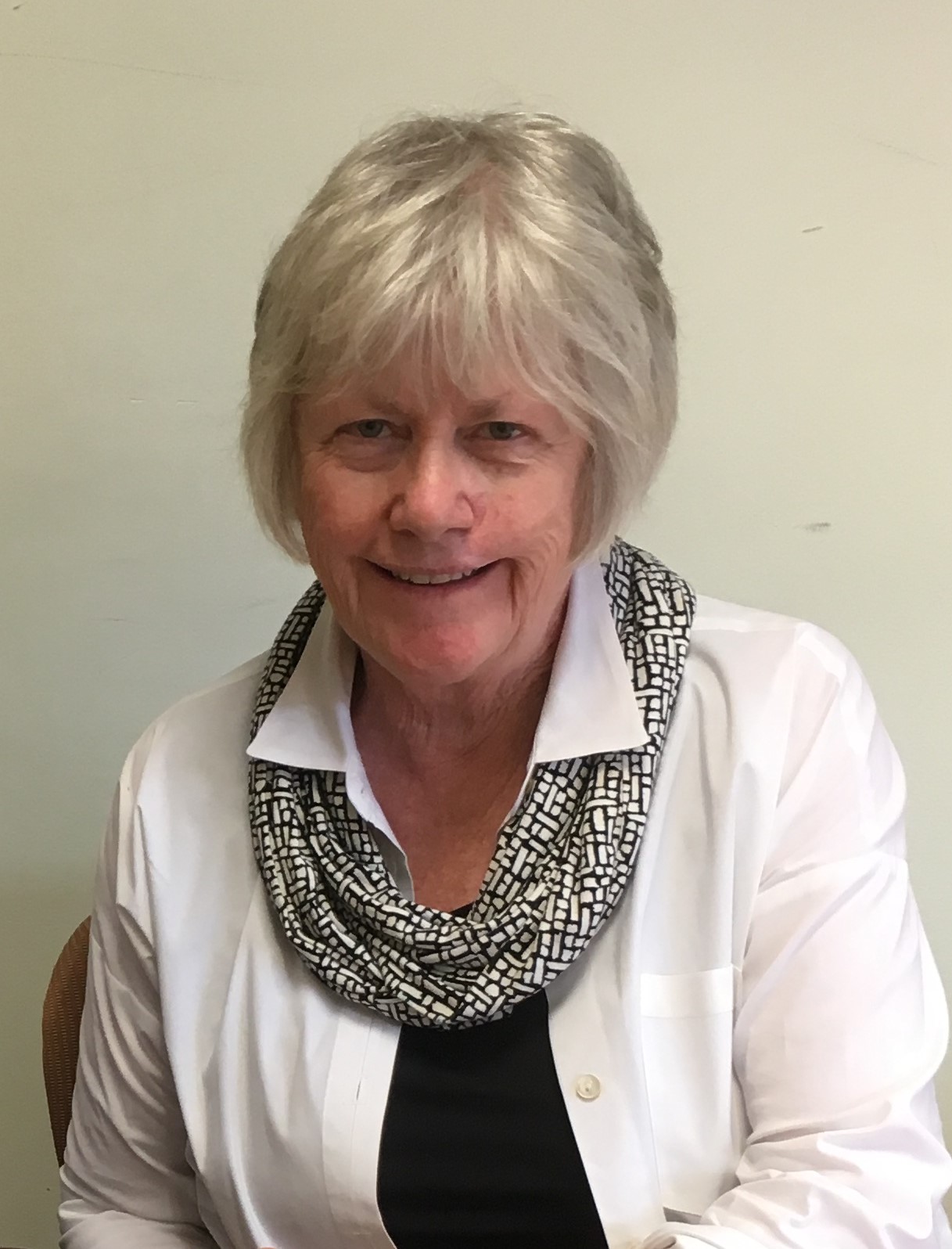
Peggy McManus, MHS
President, The National Alliance to Advance Adolescent Health
Co-Director, Got Transition
Peggy McManus is President of The National Alliance to Advance Adolescent Health and Co-Director of Got Transition, the national resource center dedicated to improving the transition from pediatric to adult health care. Alongside Dr. Patience White, she co-led the development of the nationally recognized Six Core Elements of Health Care Transition, a framework widely used to improve transition planning and care. She has also guided the creation of numerous resources for youth, families, and clinicians, as well as influential research and policy initiatives focused on health care transition.
With more than 40 years of leadership in health policy and program development, Peggy has directed federal, state, and foundation-funded projects addressing adolescent and young adult health, children and youth with special health care needs, Medicaid and commercial insurance policy, managed care, payment innovation, and public health program development. Her work has helped shape national policy and improve access to high-quality, coordinated care for young people with chronic and complex health conditions.
Peggy earned her Master of Health Science degree from the Johns Hopkins School of Public Health. A native of Palmer, Massachusetts, she is honored to share her expertise with colleagues across the Commonwealth and beyond.
Course Format
Join us in person at 201 Brookline Ave., Boston, MA 02215. With limited seating available, be sure to register today to reserve your place!
Target Audience
All stakeholders involved in the transition from pediatric to adult care including pediatric and adult providers, payers, patients/families, researchers, policy makers and more.
Learning Objectives:
At the conclusion of this educational program, learners will be able to:
-
- Describe challenges of healthcare transition for people with NDD, especially in the lived experience of patients and families.
- Identify potential innovations to improve healthcare transition for those with NDD.
- Describe implementation strategies for transition improvement across pediatric and adult systems.
- Develop strategies to effectively engage with stakeholders to improve collaborations.
Call for Abstracts
Share your work at the Neurodevelopmental Disabilities (NDD) Healthcare Transition Summit and contribute to advancing the transition from pediatric to adult healthcare. We invite abstracts highlighting innovative research, quality improvement initiatives, clinical programs, educational strategies, policy work, and lived experiences that support individuals with neurodevelopmental disabilities and their families.
This summit brings together healthcare providers, researchers, patients, families, policymakers, and other stakeholders to explore practical solutions, foster collaboration, and improve transition outcomes. Accepted abstracts will be presented during the summit’s poster session, providing an opportunity to showcase your work, exchange ideas, and connect with leaders in the field.
We welcome submissions that align with the course themes, including healthcare transition, implementation science, stakeholder engagement, systems improvement, and innovations that enhance care for individuals with neurodevelopmental disabilities.
The NEW deadline to submit abstracts is Friday, October 9, 2026.
Submit Here
To register, please click on the register tab above. If this is your first time registering for a conference at Boston Children’s Hospital, you will need to create an account. Returning users can log in to their account to complete the registration process.
| Registration Type | Rate |
| General Registration (CE Credits) | $100.00 |
| General Registration (Non-CE Credits) | $25.00 |
| Patients/Families | Free |
BCH employees register free with CE Credits!
Email cmedepartment@childrens.harvard.edu for the registration code.
Pre-registration is required. Once you have registered you will receive a confirmation email with a registration receipt. Course access instructions will be sent a few days prior to the course launch. If you have questions or need assistance with registration, please direct all inquiries to cmedepartment@childrens.harvard.edu.
Need Financial Assistance?
If you require financial assistance to cover the registration fee for this course, please contact us at continuingeducation@childrens.harvard.edu. We are committed to supporting access to continuing medical education and will be happy to discuss available options.
Course Cancellation, Transfer & Refund Policy
In-Person Course Registrations: For in person course registrations, refunds are available on the following schedule: 100% refund up to 8 weeks before the first day of the course; 50% refund up to 2 weeks before the first day of the course; No refunds will be processed for cancellations within 2 weeks of the first day of the course
“No shows” for both in person and virtual courses are subject to the full course fee and no refunds will be issued once the course has started.
Refunds will be made in the following ways: For payments received by credit or debit cards, the same credit/debit card will be refunded.
*If you have extenuating circumstances, please contact us at continuingeducation@childrens.harvard.edu
Accreditation
 In support of improving patient care, Boston Children’s Hospital is jointly accredited by the Accreditation Council for Continuing Medical Education (ACCME), the Accreditation Council for Pharmacy Education (ACPE), and the American Nurses Credentialing Center (ANCC), to provide continuing education for the healthcare team.
Physician
Boston Children’s Hospital designates this live activity for a maximum of 7.0 AMA PRA Category 1 Credits ™. Physicians should claim only credit commensurate with the extent of their participation in this activity.
Nurse
Boston Children’s Hospital designates this activity for 7.0 contact hours for nurses. Nurses should only claim credit commensurate with the extent of their participation in the activity.
Physical Therapist
Physical Therapists completing this course receive 7.0 ACE CE continuing education credits.
Occupational Therapist’s may claim one of the above credit types, and submit on their own for a 1:1 transfer for re-licensure needs. Please contact AOTA to submit for a credit transfer request.
Psychology
Continuing Education (CE) credits for psychologists are provided through the co-sponsorship of the American Psychological Association (APA) Office of Continuing Education in Psychology (CEP). The APA CEP Office maintains responsibly for the content of the programs.
This course has been approved for 7.0 continuing education credits.
Social Work
As a Jointly Accredited Organization, Boston Children’s Hospital is approved to offer social work continuing education by the Association of Social Work Boards (ASWB) Approved Continuing Education (ACE) program. Organizations, not individual courses, are approved under this program. State and provincial regulatory boards have the final authority to determine whether an individual course may be accepted for continuing education credit. Boston Children’s Hospital maintains responsibility for this course. Social workers completing this course receive 7.0 ACE CE continuing education credits.
Disclosure Policy
Boston Children’s Hospital adheres to all ACCME Essential Areas, Standards, and Policies. It is Boston Children’s policy that those who have influenced the content of a CE activity (e.g. planners, faculty, authors, reviewers and others) disclose all relevant financial relationships with commercial entities so that Boston Children’s may identify and resolve any conflicts of interest prior to the activity. These disclosures will be provided in the activity materials along with disclosure of any commercial support received for the activity. Additionally, faculty members have been instructed to disclose any limitations of data and unlabeled or investigational uses of products during their presentations.
Disclosure Statement
The following planners, speakers, and content reviewers, on behalf of themselves, have reported the following relevant financial relationships with any entity producing, marketing, reselling, or distributing health care goods or services consumed by, or used on patients:
Mitigation of Relevant Financial Relationships
Boston Children’s Hospital adheres to the ACCME’s Standards for Integrity and Independence in Accredited Continuing Education. Any individuals in a position to control the content of a CE activity, including faculty, planners, reviewers or others are required to disclose all relevant financial relationships with ineligible entities (commercial interests). All relevant conflicts of interest have been mitigated prior to the commencement of the activity.
Additional information
| Duration | |
|---|---|
| Format | |
| Profession | General Registration (CE Credits), General Registration (Non-CE Credits), Patients/Families |
Faculty
 |
Allyson Baughman, MPH PhD |
 |
Alison (Ali) Cramer
Research Assistant for the Transitions in Epilepsy Care Collaborative as well as the Department of Pediatric Neurology at Boston Medical Center. Ali leads a team of undergraduate volunteer navigators who provide transition support for youth ages 12+ in the pediatric neurology clinic. She oversees innovative tools that support youth with epilepsy and developmental disabilities, including transition readiness and mental health screening programs. Passionate about elevating youth and family voices, Ali works to advance inclusive, values-based care and improve health outcomes for adolescents and young adults. She holds a bachelor’s degree in Neuroscience from Michigan State University. |
 |
Laurie M. Douglass, MD
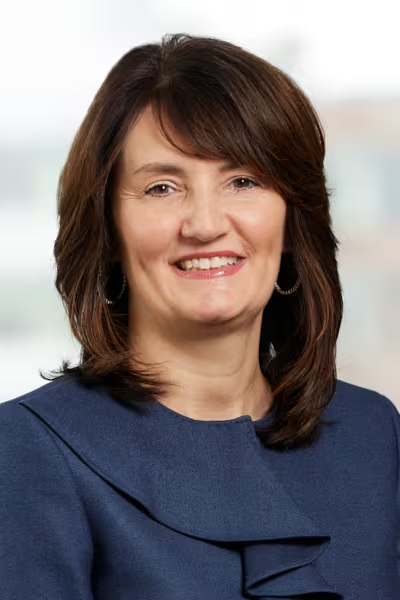
Chief of the Division of Child Neurology and Director of Pediatric Epilepsy at Boston Medical Center and Boston University Chobanian & Avedisian School of Medicine. Dr. Douglass is a child neurologist and pediatric epileptologist, she leads clinical, research, and health-system initiatives to improve access, quality, and continuity of care for children and youth with epilepsy and neurodevelopmental disabilities across the lifespan. Dr. Douglass founded and leads the Telehealth Epilepsy Care Collaborative, supported by Health Resources and Services Administration (HRSA) funding. Her work has advanced innovative, family-centered models of care, including telehealth and mobile-health strategies, a Virtual Patient-Centered Medical Home, and a successful seizure screening program for children and youth that supports earlier identification and connection to specialty care. Her current work focuses on strengthening transition supports for youth with neurodevelopmental disabilities, including coaching and mentorship programs that promote self-advocacy, independence, and successful movement from pediatric to adult health systems. Through clinical leadership, research, and community partnership, Dr. Douglass works to strengthen the network of families, health professionals, and community organizations supporting youth as they navigate adulthood.
|
 |
Andrew Dwyer, PhD, FNP-BC, FNAP, FAAN
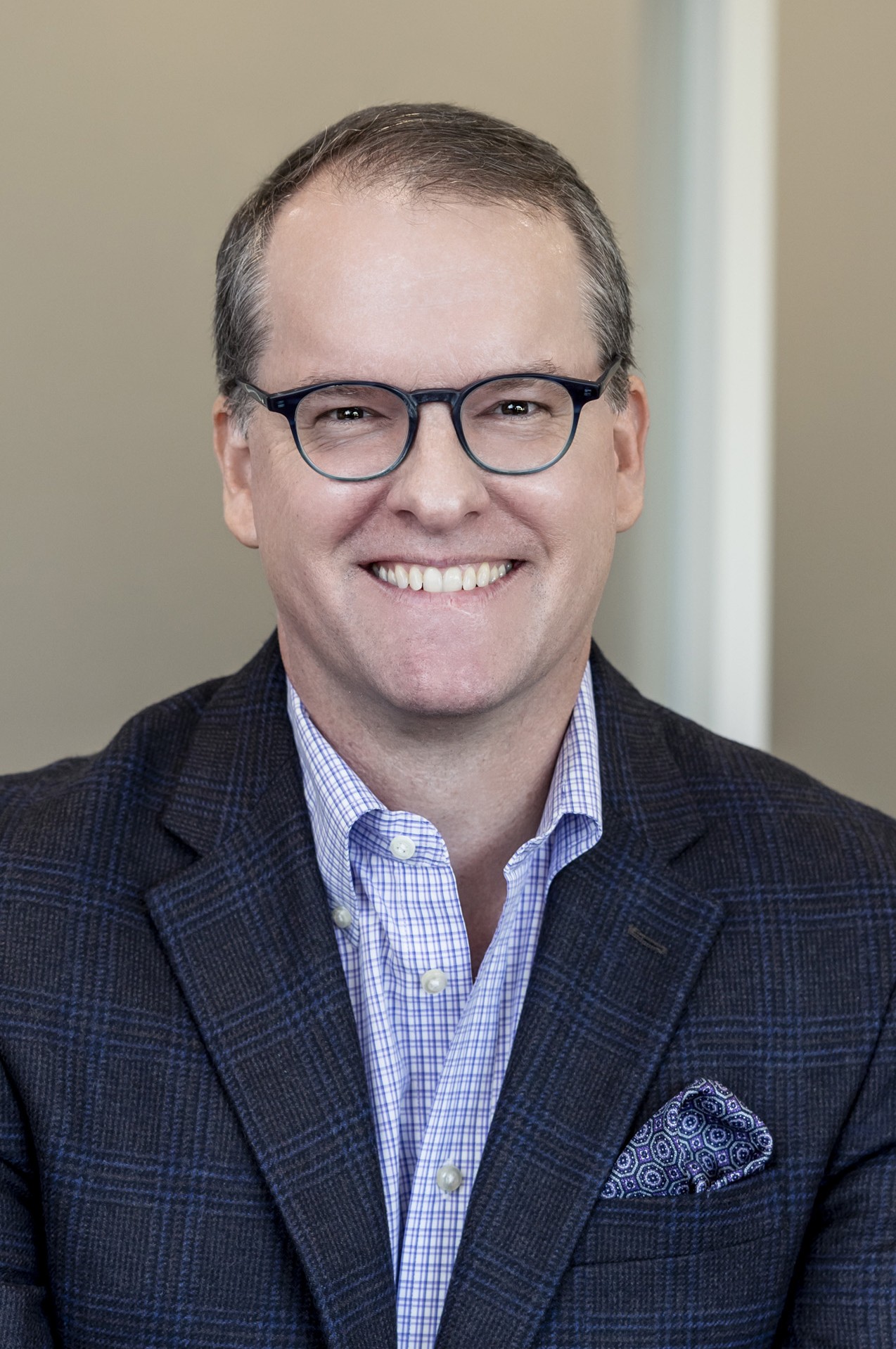
Dr. Dwyer is a board-certified family nurse practitioner with 20+ years of experience working in interprofessional translational research teams at the Massachusetts General Hospital (MGH) in Boston and the University Hospital of Lausanne (CHUV) in Switzerland. He is a professor of nursing at Boston College, a 2023 Macy Faculty Scholar, and principal investigator in the P50 MGH-Harvard Center for Reproductive Medicine. He has clinical expertise in reproductive endocrinology, rare disorders of growth/puberty, genomics, and transitional care. He has published more than 130 articles and presents internationally. He serves on the Steering Committee of the Global Genomics Nursing Alliance and is a Fellow in the National Academies of Practice and the American Academy of Nursing. He currently serves on the Massachusetts Rare Disease Advisory Council and is a faculty member of the ITINERARE Rare Diseases Summer (Switzerland). Dr. Dwyer is an NIH-funded researcher who utilizes patient engagement, co-creation, and digital solutions to develop person-centered approaches to care and overcome genomic health disparities. |
|
Terri Farrell, MBA Terri Ferrell is the Project Director of the Insurance Resource Center for Autism and Behavioral Health at UMass Chan Medical School’s Eunice Kennedy Shriver Center. She provides expertise and technical assistance to families, providers, and agencies navigating public and private insurance resources related to autism and behavioral health services. Terri is a recognized advocate for individuals with autism and their families, serving in leadership roles with organizations including Advocates for Autism of Massachusetts (AFAM) and contributing to statewide initiatives focused on autism services, transition planning, and access to care. She has presented widely on autism insurance, behavioral health coverage, and systems of support. Terri holds an MBA from Northeastern University and completed a Leadership Education in Neurodevelopmental Disabilities (LEND) Fellowship at UMass Chan Medical School. |
 |
Elaine Gabovitch, MPA
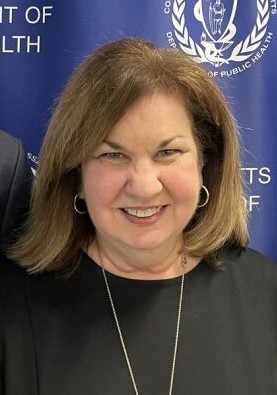
Elaine Gabovitch serves as the State Title V Family Leader at the Massachusetts Department of Public Health following her 2025 retirement as Director of the Division for Children & Youth with Special Health Needs (CYSHN) and State Title V CYSHN Director. She also holds faculty appointments at the UMass Chan Medical School-Eunice Kennedy Shriver Center’s Leadership Education in Neurodevelopmental Disabilities (LEND) Program and Department of Family Medicine & Community Health. With more than two decades of experience advancing care for children and youth with special health needs, Elaine has led initiatives focused on family-centered care, health equity, developmental monitoring, autism awareness, and successful transitions to adult healthcare systems. She has contributed to numerous state and federally funded projects, including efforts to improve access, reduce disparities, and strengthen systems of support for individuals with disabilities and their families. Elaine is a recognized disability advocate and family leader, with her work inspired by her experience as the parent of an adult son with autism spectrum disorder. |
|
Meenal Khandaker
Program Coordinator for the Transitions in Epilepsy Care Collaborative, within Boston Medical Center Pediatric Neurology. Meenal coordinates community engagement initiatives around supporting transition-aged youth with epilepsy and developmental disabilities, including a Professional and Family Advisory Council, community needs assessments, and learning/development symposiums. Previously, Meenal worked as a researcher with the team, leading projects such as development of the “Transition Needs Survey,” a survey and resource navigation program allowing youth with epilepsy (YWE) to set goals and identify their interests within the transition to adulthood. She has extensive experience in youth leadership and mentorship, including co-directing an epilepsy anti-stigma social media campaign with YWE and serving as a mentor/coach for multiple other programs for YWE. She earned a Bachelor’s in Psychology from New York University. |
|
Peggy McManus, MHS Peggy McManus is President of The National Alliance to Advance Adolescent Health and Co-Director of Got Transition, the national resource center dedicated to improving the transition from pediatric to adult health care. Alongside Dr. Patience White, she co-led the development of the nationally recognized Six Core Elements of Health Care Transition, a framework widely used to improve transition planning and care. She has also guided the creation of numerous resources for youth, families, and clinicians, as well as influential research and policy initiatives focused on health care transition. With more than 40 years of leadership in health policy and program development, Peggy has directed federal, state, and foundation-funded projects addressing adolescent and young adult health, children and youth with special health care needs, Medicaid and commercial insurance policy, managed care, payment innovation, and public health program development. Her work has helped shape national policy and improve access to high-quality, coordinated care for young people with chronic and complex health conditions. Peggy earned her Master of Health Science degree from the Johns Hopkins School of Public Health. A native of Palmer, Massachusetts, she is honored to share her expertise with colleagues across the Commonwealth and beyond. |
 |
Susan Shanske, MSW, LICSW Director, Transitional Care Support, BRIDGES Adult Transition Program; Clinical Social Worker, Social Work Department Susan Shanske, LICSW, is the Director of Transitional Care Support with the BRIDGES Adult Transition Program at Boston Children’s Hospital where her full time job is improving the transition from pediatric to adult healthcare. Susan received her MSW from Simmons College School of Social Work and has been a social worker at Boston Children’s Hospital for over 25 years, with experience in multiple outpatient medical programs. In her BRIDGES role, she provides leadership as a content matter expert on transition, actively involved in presentations and research on the topic. She leads several initiatives to improve care, including a Transition Learning Collaborative internal to BCH where teams are coached by the BRIDGES team through various quality improvement transition efforts in their areas. She is a previous hospital Family Advisory Council co-chair and also co-led the statewide initiative to improve healthcare transition for individuals with neurodevelopmental disabilities in the state of Massachusetts. The initiative allowed her to partner with stakeholders across the state to address related systems issues and she co-directed the previous 2 summits to engage participants in the work. She is passionate about the topic of healthcare transition and a national social work leader in the space. Susan is currently pursuing a doctorate in health science with a focus on organizational excellence and is actively engaged in multiple national research projects, leading several. |
|
Seth Spurgeon, MPH Family Transition Navigator for Epilepsy Foundation New England, and is placed at Boston Medical Center in the pediatric neurology department. Seth connects transition-aged youth with epilepsy and developmental disabilities with resources to help navigate the transition from pediatric services to adult services. Seth helps families to find and understand resources related to transition, such as finding healthcare providers, accessing transportation, finding employment, self-advocacy, and daily life/recreation. Seth also facilitates a Teen and Young Adult Networking SHARE group for individuals with epilepsy to help foster connections between one another. Prior to his current role, Seth was a community health worker for Epilepsy Foundation New England. He also received his Master of Public Health from Boston University. |
 |
Maura Sullivan, MPA Chief Executive Officer The Arc of Massachusetts |
 |
Ahmet Uluer, DO, MPH Director, BRIDGES Adult Transition Program; Director, Adult Cystic Fibrosis Program Assistant Professor of Pediatrics, Harvard Medical School |
|
Amy Weinstock Amy Weinstock is the Director of the Insurance Resource Center for Autism and Behavioral Health at UMass Chan Medical School’s Eunice Kennedy Shriver Center and an instructor in the Department of Psychiatry. She is a nationally recognized advocate and expert on autism insurance policy, helping advance legislation that expands access to medically necessary autism services in Massachusetts. Amy has extensive experience supporting individuals with autism and their families through advocacy, education, and systems change. She serves as a Commissioner on the Massachusetts Autism Commission and contributes to statewide initiatives focused on improving access to care and services. She completed a Leadership Education in Neurodevelopmental and Related Disabilities (LEND) Fellowship at the Shriver Center and has received numerous awards recognizing her leadership and advocacy efforts. |
Schedule
| Time | Session | Speaker(s) |
|---|---|---|
| 8:30–9:00 AM | Welcome | Susan Shanske, LICSW; Ahmet Uluer, DO, MPH |
| 9:00–10:00 AM | Future Ready – 360 Perspectives on Health Transition for Neurodiverse Young Adults and Their Families |
Facilitator: Elaine Gabovitch, MPA Panel Discussion: Featuring perspectives from a young adult, parent, a pediatric provider, and an adult provider, highlighting experiences and insights across the transition from pediatric to adult care. |
| 10:00–10:15 AM | Break | |
| 10:15–10:30 AM | Putting the Pieces in Place for Progress: What is Implementation Science? | Allyson Baughman, MPH, PhD |
| 10:30–11:30 AM | Implementation Exemplars: From Brainstorming to Sustaining | Facilitator: Allyson Baughman
Panelists:
|
| 11:30 AM–12:00 PM | A Community-Centered Strategic Approach for Enhancing the Wellbeing of Youth with Epilepsy and Developmental Disabilities and Their Caregivers During the Transition to Adult-Serving Systems | Laurie Douglass and Boston Medical Center Team |
| 12:00–1:15 PM | Lunch & Poster Session | |
| 1:15–2:30 PM | Implementation World Café | TBD |
| 2:30–3:00 PM | Break & Poster Viewing | |
| 3:00–4:15 PM | Ideas to Action: Shaping the Future of Adolescent and Young Adult Rare Disease Care in Massachusetts | Andrew Dwyer, PhD, FNP-BC, FNAP, FAAN |
| 4:15–5:00 PM | Reflections on Health Care Transition Progress Achieved and Awaiting | Peggy McManus, MHS |
Exhibitors/Sponsors

Related products
-

Social Determinants of Asthma: Where are we now and into the future (38 min.)
$50.00 Add to cart -
Episode 10: The Burden of Living with Crohn’s and Celiac Disease (55 min)
$0.00 Add to cart -

Pediatric Vulvovaginal Lesions (36 min.)
$50.00 Add to cart -
Episode 3: What Came First, Celiac or Type 1 Diabetes (36 min.)
$0.00 Add to cart
